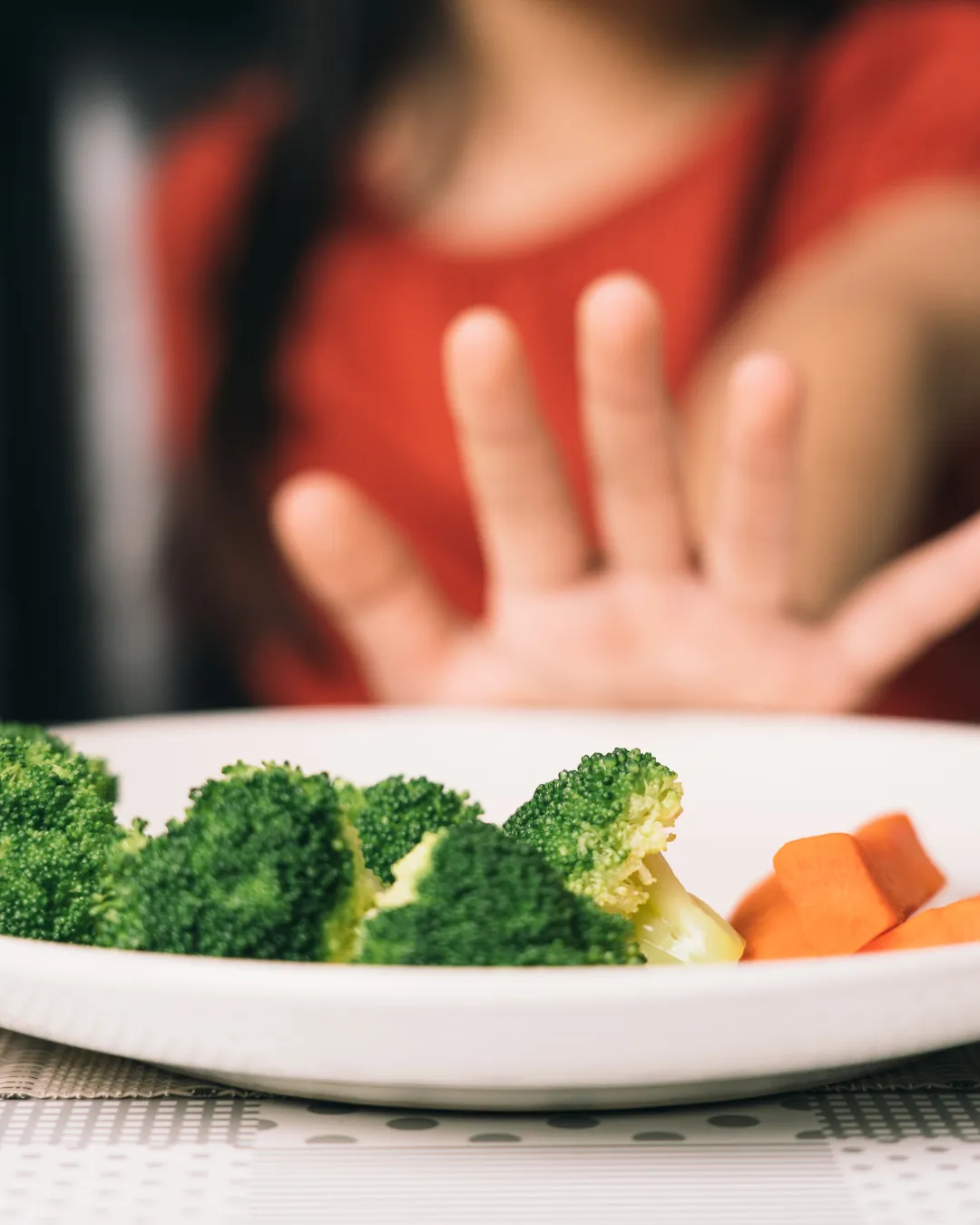
How Did Picky Eating Become So Common?
When Did Picky Eating Start?
A personal reflection on how we got here, and how we change it.
Through my years as a personal chef, cooking for families and observing children closely, I started noticing patterns that felt impossible to ignore.
Not just what kids were eating
but what they were drawn to,
what they resisted,
when and how they responded to food the moment it hit the table.
I watched kids light up around certain textures and colors…
and completely shut down around others.
And the more I paid attention, the more questions began to form:
When did picky eating actually start?
How did it begin?
And how did it become so common that most parents now assume it’s just a phase we have to survive?
Because picky eating didn’t always exist the way it does today.
And it certainly didn’t show up out of nowhere.

How Did Picky Eating Become So Common?
What I’ve come to understand is that picky eating isn’t a single issue but the result of several overlapping shifts in modern childhood.
Just imagine for a second, from Homo Sapiens to our great-grandparents, they ate based on seasons and what nature provided and not so much based on what they liked or loved. .
In our modern days, many children meet food only after it’s been processed, packaged, and rushed.
They don’t see ingredients raw.
They don’t watch food grow.
They don’t experience transformation in the kitchen.
So when something looks unfamiliar on the plate, their nervous system does exactly what it’s designed to do, it hesitates.
Curiosity disappears when connection is missing.
Total Disconnection from Food Itself.
And Then...Pressure at the Table
Most of us parents are doing the best we can with what they know.
But phrases like“just try it,” “finish your plate,”or“eat this because it’s healthy”, even when well-intended , can quietly create stress around eating.
And stress does something important:
It shuts down digestion
It shuts down curiosity
It teaches children to stop listening to their bodies
Over time, food becomes a battlefield instead of a place of nourishment.
Early Exposure to Hyper-Palatable Foods
Many kids are introduced early to foods designed to be ultra-sweet, ultra-salty, and ultra-soft.
These foods reset the palate.
So when real food shows up with texture, bitterness, complexity it doesn’t feel comforting. It feels foreign.
Even when it’s exactly what the body needs.

Lack of Agency
This one is huge and rarely talked about.
When children don’t feel involved in choosing, preparing, or exploring food, eating becomes something that happens to them.
And kids are wired to resist what they don’t feel ownership over.
What Picky Eating Is Actually Communicating
This is the reframe that changed everything for me:
👉Picky eating is not defiance. It’s communication.
It might sound like:
“This feels unfamiliar.”
“My nervous system doesn’t feel safe right now.”
“I don’t trust this yet.”
“I need more control.”
“I need to explore before I eat.”
When we meet that communication with curiosity instead of control, the entire dynamic shifts.
Eat Pretty Please' Philosophy
This understanding is what shaped Eat Pretty Please.
We believe:
✨ Food is a relationship
✨ Curiosity comes before consumption
✨ Play creates safety
✨ Safety creates openness
✨ Openness leads to nourishment
We don’t force bites.
We don’t label kids as “good” or “bad” eaters.
We don’t rush the process.
Instead, we invite children into the kitchen, where food becomes colorful, creative, and alive!, All after learning and connecting with each ingredient, where it comes from and what it does to our bodies.

How We Help Kids Move Beyond Picky Eating
Our approach is simple, but deeply intentional.
🌈We make food visually inviting
Color, texture, and presentation matter, especially for children.
Pretty food sparks curiosity before pressure ever enters the room.
👩🍳We involve kids in the process
When children chop (safely), stir, taste, and create food becomes theirs.
Ownership builds trust.
Trust builds willingness.
🧠We teach without lecturing
Nutrition, culture, science, and storytelling are woven in naturally so learning happens without power struggles.
❤️We create positive food memories
Children remember how food made them feel far longer than what they were told.
Joy lasts. Pressure doesn’t.

A New Generation of Confident Eaters
Our mission at Eat Pretty Please is bigger than solving picky eating.
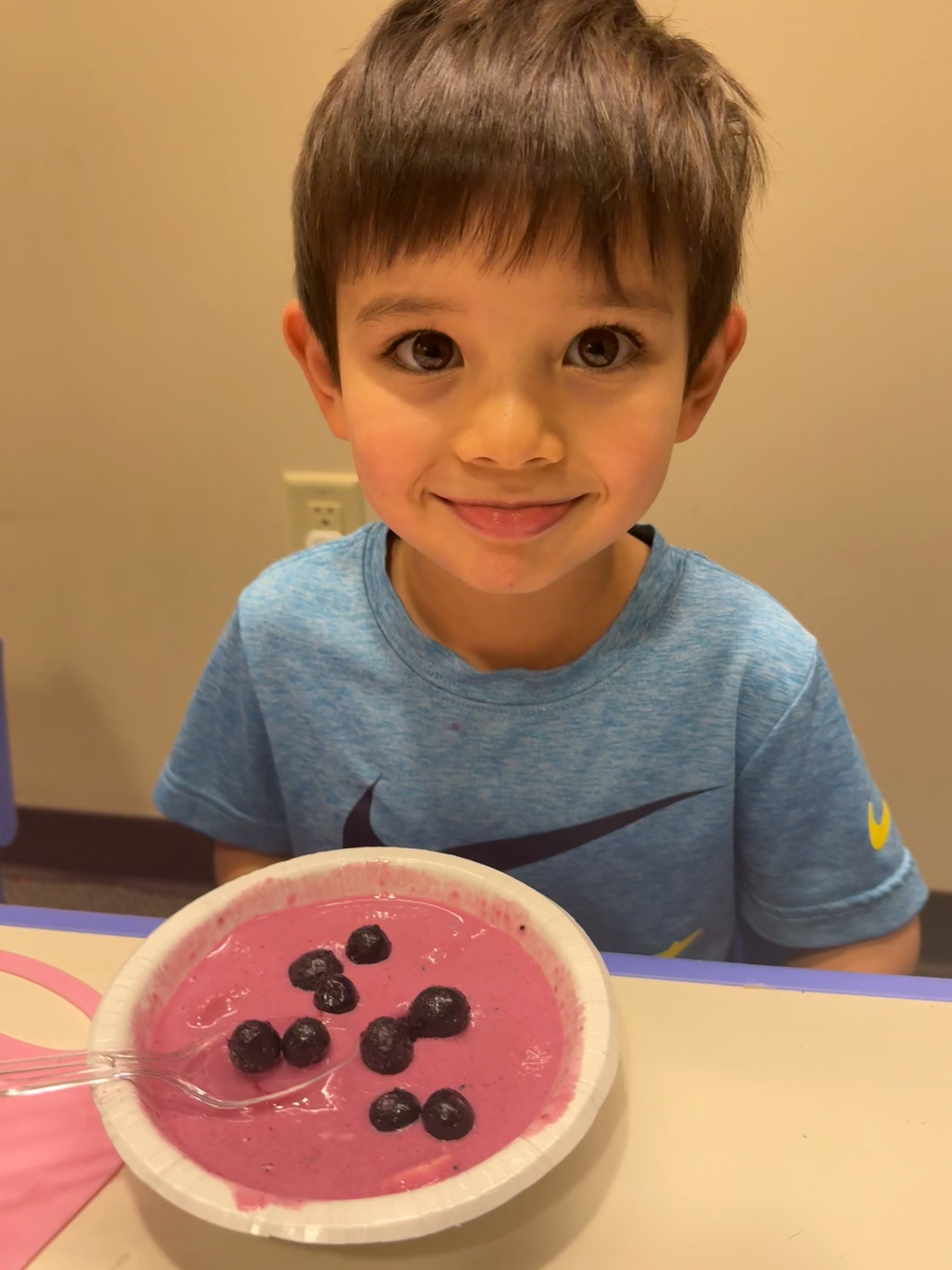
We’re here to raise:
Confident eaters
Curious kids
Families who enjoy the kitchen again
Children who trust their bodies
Because when kids feel safe with food early on, they carry that trust for life.
If You’re Here…
You’re already doing something right.
You’re questioning the old narrative.
You’re choosing connection over control.
You’re planting seeds — even if they haven’t sprouted yet.
And we’re honored to walk this journey with you. 🤍
With love,
Monica Hidalgo

